
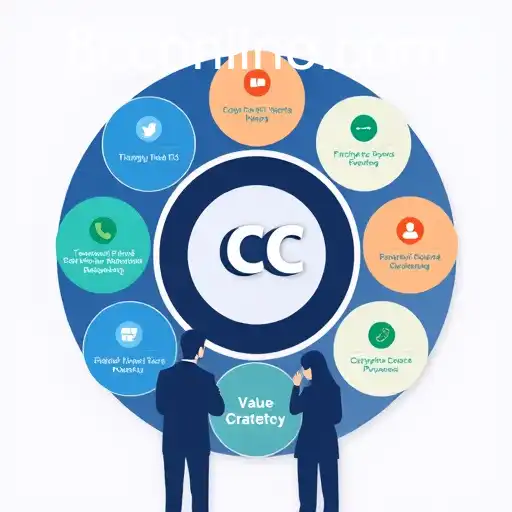
8CC | The Art and Strategy of Promotion: A Deep Dive into 8CC
8CC’s Explore the intricate strategies of promotion with a focus on the concept known as 8CC.
The Art and Strategy of Promotion: A Deep Dive into 8CC
The Essence of Promotion
Promotion is a vital part of any business strategy, serving as the bridge between companies and consumers. It is the channel through which businesses communicate their offerings, striving to capture attention and drive an action—be it a purchase, a visit, or an inquiry. Amidst the wide array of promotional strategies, one particular concept, denoted as 8CC, stands out for its structured approach and adaptability across industries.
Understanding 8CC
At the heart of successful promotions lies the 8CC framework, a concept rooted in comprehending the eight crucial components that encompass a comprehensive promotional strategy. These components form a cohesive strategy that helps businesses effectively reach and engage their target audience.
1. Clarity
The first component, clarity, emphasizes the importance of having a crystal-clear message. This means the promotional message must be intelligible and resonate with the intended audience. A well-defined message ensures that the audience understands the core benefits and value propositions without confusion.
2. Credibility
The second core component is credibility. A brand's believability can directly impact consumer trust and decision-making. Promotions that bolster brand credibility through endorsements, testimonials, and transparent information tend to perform better and yield higher conversion rates.
3. Consistency
Consistency across all communications is essential to reinforce brand identity and message recall. When promotional messages are consistent in tone, style, and frequency, they help in creating a steady and reliable perception among consumers.
4. Creativity
The fourth element, creativity, is crucial in capturing the target audience's attention amidst a sea of information. Creative promotions can take many forms—be it in the design, copy, delivery method, or all three. Creativity ensures that the message is not only seen but also remembered.
5. Channels
Understanding and selecting the right channels is vital to promoting a message effectively. With the digital age offering a plethora of options—social media, email, search engines, and more—the challenge lies in choosing the right platform that aligns with the target demographic’s media consumption habits.
6. Cost-Effectiveness
Cost-effectiveness serves as the financial litmus test of any promotional strategy. An effective promotion maximizes reach and impact while staying within budget constraints, thus ensuring a favorable return on investment over the campaign's lifecycle.
7. Calling-To-Action (CTA)
The CTA is a crucial component that propels the target audience to take a specific action. Effective CTAs are clear, compelling, and match the audience’s level of readiness to engage with the product or service being promoted.
8. Control
The final element, control, involves monitoring and adapting. Once a promotion is active, it requires careful oversight to measure performance against objectives and refine as necessary. This component ensures the campaign remains relevant and effective throughout its lifecycle.
The Role of 8CC in Modern Promotion Strategies
Today, the 8CC framework plays a pivotal role in designing promotion strategies that are agile, memorable, and result-driven. With consumers becoming increasingly selective and digitally savvy, businesses must leverage 8CC to maintain relevance and competitive advantage.
For instance, consider a new technology startup aiming to launch its flagship product. By applying the 8CC framework, the startup can craft a promotion that not only conveys the product's innovative features but also builds trust and brand identity, thereby bridging the gap from exposure to purchase.
The advent of digital platforms has heightened the importance of channel selection, as emphasized by 8CC. Whether choosing between paid advertisements on social media or a well-crafted email campaign, having metrics in place to evaluate cost-effectiveness ensures that expenditures translate into tangible outcomes.
Why 8CC Matters to Businesses
Businesses that integrate the 8CC framework into their promotional strategies often find themselves more adept at navigating the complexities of the modern marketplace. By focusing on clarity and credibility, brands build trust and maintain a loyal customer base, facilitating growth and long-term success.
The emphasis on consistency across channels and messages helps solidify a unique brand voice, while creativity cuts through noise and differentiates offerings from competitors. The framework’s use of data-driven decision-making, encompassed in its control and cost-effectiveness components, rounds out a sophisticated approach to engaging consumers.
Implementing 8CC in Practice
Companies embarking on incorporating 8CC into their promotional campaigns should start with a deep understanding of their target audience, as this informs everything from message crafting to CTAs. Knowing the customer—demographics, preferences, and behaviors—lays the groundwork for clarity and credibility efforts.
Businesses should also invest in quality market research tools to maintain control over their promotional campaigns, enabling real-time adjustments and ensuring cost-effectiveness. Utilizing analytics platforms to measure performance against each of the eight components provides the feedback loop necessary for ongoing improvement.
A practical application of 8CC could involve conducting split tests to determine which creative elements resonate best with an audience or using customer feedback to refine promotional messages periodically.
Conclusion
A balanced, thorough understanding of the promotion landscape is essential in today’s fast-paced market, and the 8CC framework offers just that. Whether you're a small business owner or a marketing professional, integrating these components into your promotional blueprint can elevate your strategy, achieving not just recognition but meaningful engagement with your audience.
